
Kidney dialysis
Based in west London, our private dialysis unit offers treatment to local patients and overseas visitors alike.
Reviewed by Dr Emma Salisbury, Consultant Nephrologist
About our private dialysis clinic
When you have end-stage kidney disease, dialysis becomes a big part of your life. At Cromwell Hospital, we aim to deliver comfortable and convenient dialysis services tailored to our patients’ needs and lifestyles.
In our private dialysis unit, we have eight haemodialysis stations which use the latest Baxter haemodialysis machines.
Our unit is open six days a week, with morning and afternoon sessions available. Morning sessions start at 9am and afternoon sessions at 2.30pm. Complimentary refreshments are provided to all our patients.
For your peace of mind, our clinic is supported by a 24-hour on-call consultant, with intensive care available for acute emergencies.
Why choose us for dialysis?
West London location
Based in Kensington, Cromwell Hospital is easily accessible by all modes of transport.
Expert-led care
Our private dialysis unit is staffed by highly trained consultants and nurse specialists.
State-of-the-art technology
We use the very latest dialysis equipment for our patients' convenience and comfort.
Healthy kidneys filter the blood and excrete waste toxins as urine. When an individual’s kidneys stop working, toxins and fluid can build up in the body making them very unwell.
Dialysis takes over the job of non-functioning kidneys, removing toxic waste and fluid from patients with end-stage kidney disease (ESKD).
People who rely on dialysis often lose their ability to produce urine. As a result, they must limit what they drink. This is because the dialysis machine cannot remove more than three litres of fluid per session. Therefore, we recommend that patients limit their fluid intake to 750ml per day.
You will also need to follow a kidney-friendly diet. This involves limiting your potassium and phosphate intake. At Cromwell Hospital, we can arrange for you to see one of our specialist dieticians for help with this.
Most people require a dialysis session three times a week. Each session lasts for approximately four hours. One of our specialist nurses or kidney consultants will review your case and meet with you to agree the optimal length of time for you, or your relative.
Yes. People who develop severe acute kidney injury will need temporary dialysis while their kidney function recovers. However, for most people, kidney damage is permanent and they will need lifelong dialysis unless they receive a kidney transplant.
Paying for your treatment
We welcome both self-paying and insured patients.
Self-pay patients
We offer several ways for patients to self-pay, including pay-as-you-go, flexible payment options, and self-pay packages.
Insured patients
At Cromwell Hospital, we accept private health insurance from most major providers, including AXA, Aviva, Bupa, and Vitality.
Our locations
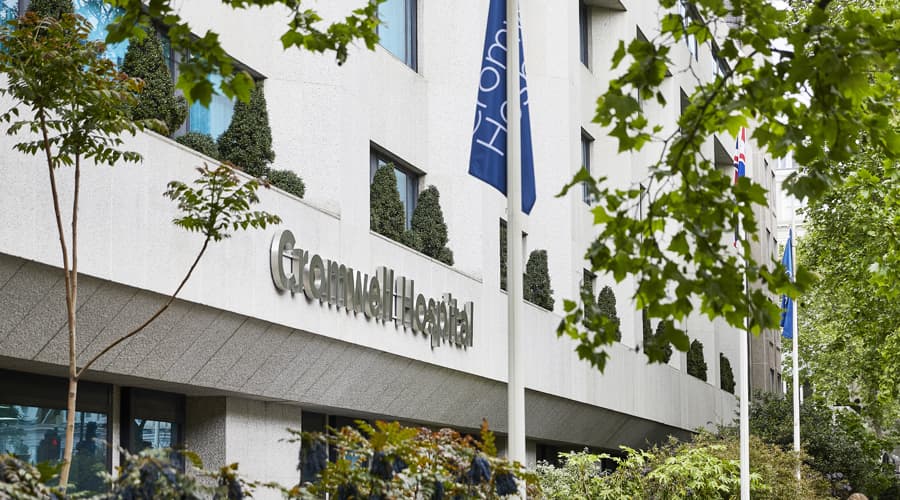
Cromwell Hospital
164-178 Cromwell Road
London SW5 0TU
United Kingdom
+44 (0)20 7460 5700
Book an appointment today
Call us now for appointment bookings, general queries, and personalised quotes.
Alternatively, you can contact us using our online form.