


Mouth cancer

In the UK, around 10,000 cases of mouth cancer are diagnosed annually. This type of head and neck cancer is more common in men than women.

Reviewed by Mr Rafal Niziol, Consultant Oral and Maxillofacial Surgeon

At a glance

What is mouth cancer?

Mouth cancer, also known as oral cancer, can occur anywhere within the mouth, but is most commonly found in the tongue, the lips, and the floor of the mouth. Mouth cancer occurs when abnormal cells begin to grow out of control and develop into tumours.

Mouth cancer is one of the most common types of head and neck cancer. It is more common in men, with 1 in 75 men being diagnosed in their lifetime compared to 1 in 150 women.

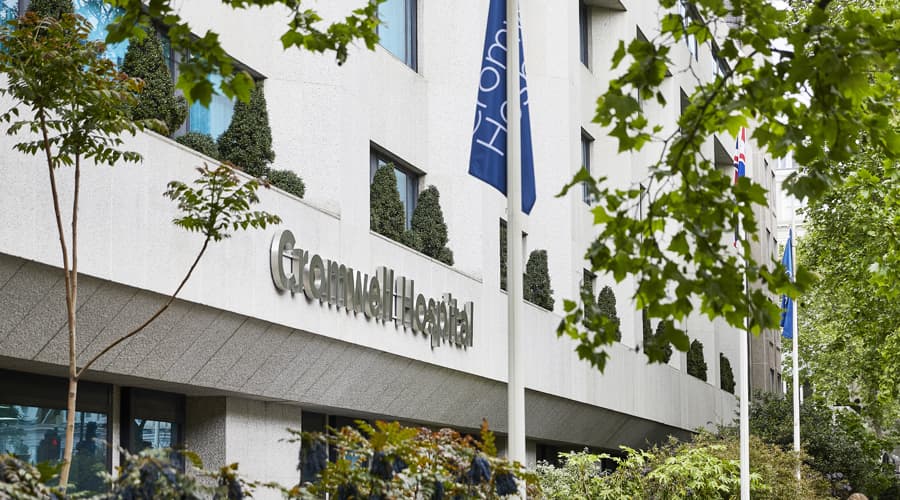
Cromwell Hospital is the leading private hospital in London for the diagnosis and treatment of mouth cancer.

Many people who develop mouth cancer have no risk factors. However, you may be at additional risk of developing mouth cancer in the following instances:

  • You have previously had head and neck cancer
  • You take immuno-suppressive medication
  • You have prolonged sun exposure (lip cancer)
  • You are infected with human papillomavirus (HPV oral cancer)
  • You have oral lichen planus or dysplasia
  • You have been exposed to radiation
  • You chew betel quid (a chewing preparation containing areca nut, often with tobacco).

Early warning signs of mouth cancer include abnormal patches within the mouth:

  • Erythroplakia – A red, raised patch of mucosa that bleeds if scraped. About 70% of erythroplakia types are cancerous or pre-cancerous.
  • Leukoplakia – A white spot or patch of mucosa. About 25% of leukoplakia types are cancerous or pre-cancerous.
  • Erythroleukoplakia – A patch of mucosa with both white and red areas.

Other symptoms include:

  • Oral ulcers or sores that are painful and do not heal
  • A lump in the neck, face, jaw, cheek, tongue or gums
  • Unexplained loose teeth
  • Difficulty chewing, swallowing or moving the tongue or jaw
  • Dentures that cause discomfort or do not fit well
  • Bad breath
  • Weight loss.

If you are diagnosed with mouth cancer, your condition will be staged based on its severity. Assigning a stage to your condition helps your consultant determine the best course of treatment for you.

There are three staging points for mouth cancer:

  • T – The size of the primary tumour and how much it has invaded surrounding tissues
  • N – Whether the cancer has spread to the lymph nodes
  • M – Whether the cancer has spread elsewhere in the body (usually the lungs).

The size of the tumour (staging point T) is graded from numbers one through to four. The higher the number, the larger and more invasive the tumour is considered to be.

Our multidisciplinary approach

At Cromwell Hospital, our head and neck surgeons have extensive experience in treating mouth cancer patients, as well as delivering reconstructive surgery. We provide the best chance for successful mouth cancer treatment with the least effects on your health.

With our multidisciplinary approach to patient care, you can be rest assured that you are receiving the best, most informed treatment plan possible, with input from a wide range of medical experts. You will also receive extensive support before, during, and after treatment, through cancer counselling sessions, speech and language therapy, dietary advice, and more.

In 2022, we established our first-of-its-kind Head and Neck Survivorship Clinic to provide support services to individuals with head and neck cancer. Our multidisciplinary service – which includes surgery, oral medicine, restorative dentistry, speech and language therapy, dietary advice, and physiotherapy – helps patients navigate their diagnosis and any obstacles they face, as well as monitoring patients post-treatment and providing support with symptom management.

Diagnostic tests for mouth cancer

As well as a physical examination of your mouth and lymph nodes, you may also need to undergo some of the following procedures for a diagnosis to be made:

Mouth cancer treatment

At our Integrated Cancer Campus, we provide all necessary treatments for mouth cancer. 

Surgery involves removing both the tumour and a small portion of surrounding tissue (called a margin) – this surrounding tissue must be removed or the tumour will re-grow. Sometimes, cancer surgery also requires reconstruction to restore form and function and provide our patients with the best outcomes and quality of life.

Private mouth cancer consultants in London

At Cromwell Hospital, we perform a higher volume of head and neck free flap surgeries than any other private hospital in the UK. Both Mr Rafal Niziol and Mr Alastair Fry bring a wealth of experience from their NHS practices and accept referrals from across the UK and internationally.

Paying for your treatment

We welcome both self-paying and insured patients.

Our locations

Book an appointment today

Call us now for appointment bookings, general queries, and personalised quotes.

Alternatively, you can contact us using our online form.