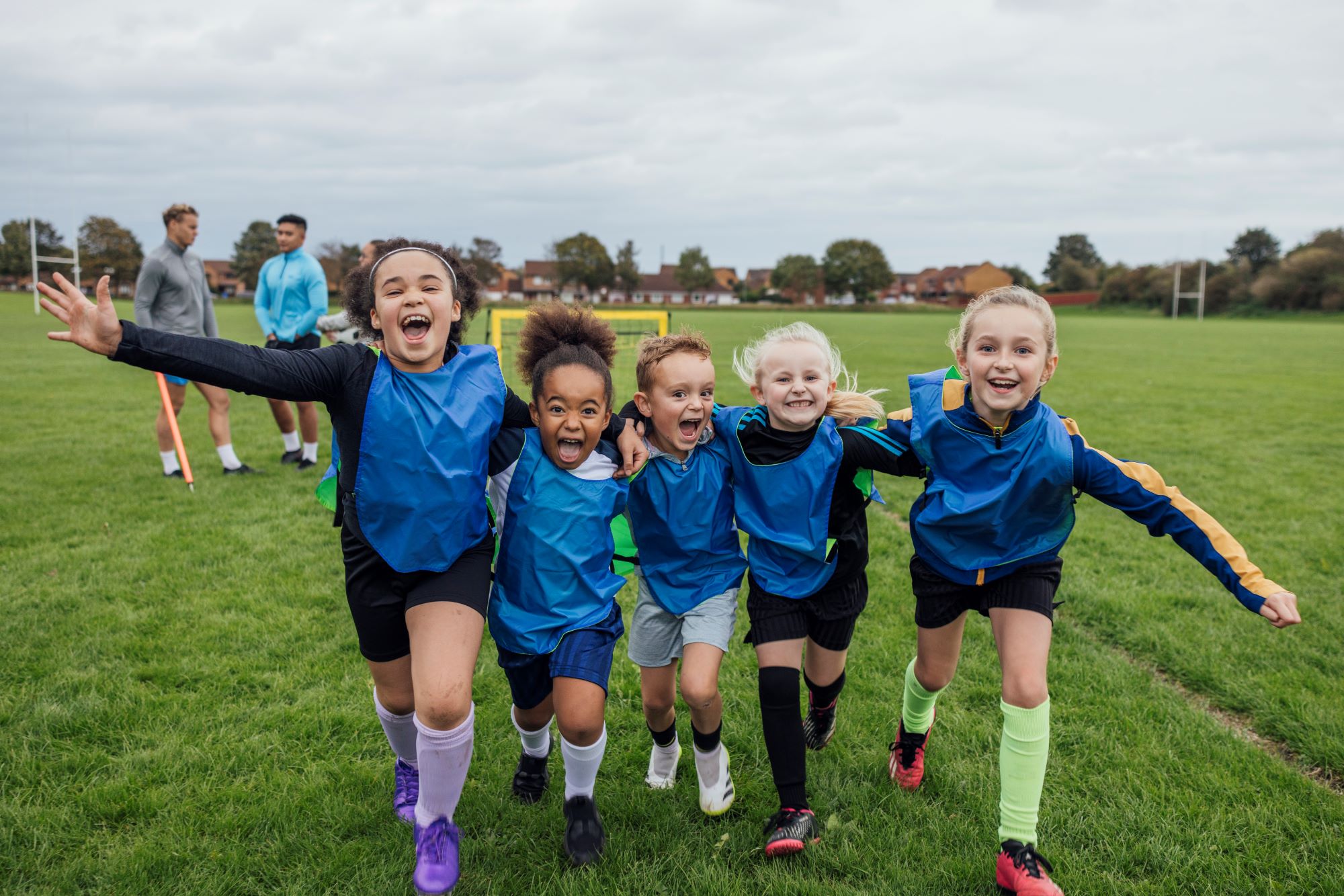
Anterior cruciate ligament (ACL) injuries aren’t just a problem for professional athletes anymore. Over the last decade, healthcare professionals have seen a sharp rise in ACL ruptures among children and teenagers. These injuries now make up a significant proportion of knee problems in active young people.
Mr Khaled Sarraf, Consultant Trauma and Orthopaedic Surgeon, explains more about ACL injuries in children and teenagers.
What is the ACL?
The ACL is one of the main ligaments in the knee that helps keep the joint stable. It connects the thigh bone (femur) to the shin bone (tibia) and plays a vital role in controlling knee movement, especially during activities such as running, jumping, and changing direction quickly.
Why are ACL injuries increasing in children?
Several factors are at play:
- early specialisation in sports and intense training schedules
- high demands from schools, clubs, and academies
- growth spurts that temporarily affect muscle control
- hormonal changes around puberty
- increased competition at younger ages
- All of these put extra stress on developing joints.
The anatomy of a child’s knee is different from an adult’s. Growth plates are still open, and injuries can follow different patterns. This means treatment plans designed for adults cannot simply be applied to children.
Why does this matter?
- Surgery must be approached carefully to avoid damaging growth plates, which could affect future growth.
- Non-surgical treatment isn’t risk-free either. Ongoing knee instability can lead to meniscus tears, cartilage damage, and even early arthritis.
- Missing out on sports for long periods can impact a child’s confidence and mental wellbeing.
Spotting the signs of ACL injuries early
If your child injures their knee and it becomes swollen and painful, don’t ignore it. These symptoms could indicate a serious internal injury.
Early recognition and referral are essential. If you suspect an ACL injury, seek specialist advice promptly. Acting quickly helps protect long-term knee health and ensures children can return safely to the sports they love.
Diagnosis and treatment
An early MRI scan will often be recommended to confirm the diagnosis and prevent further damage.
Modern surgical techniques allow ACL reconstruction in children while protecting growth plates. Options vary depending on age and skeletal maturity.
In some cases, repairing the ligament may be considered, but families should be aware of higher re-injury risks compared to reconstruction.
About the consultant
Mr Khaled Sarraf is a Consultant Trauma and Orthopaedic Surgeon with specialist expertise in the management of trauma, hip and knee conditions, and sports injuries, with particular experience in adults, children, and adolescents.
He undertakes a wide range of procedures, including trauma surgery and adult hip and knee reconstructive surgery, and has subspecialist expertise in minimally invasive, arthroscopic, and sports surgery. His practice includes ligament reconstruction as well as cartilage and meniscal preservation procedures.
Ready to take action?
If your child has experienced an injury or you need expert advice, call us on 020 7460 5700 to book an appointment today.