
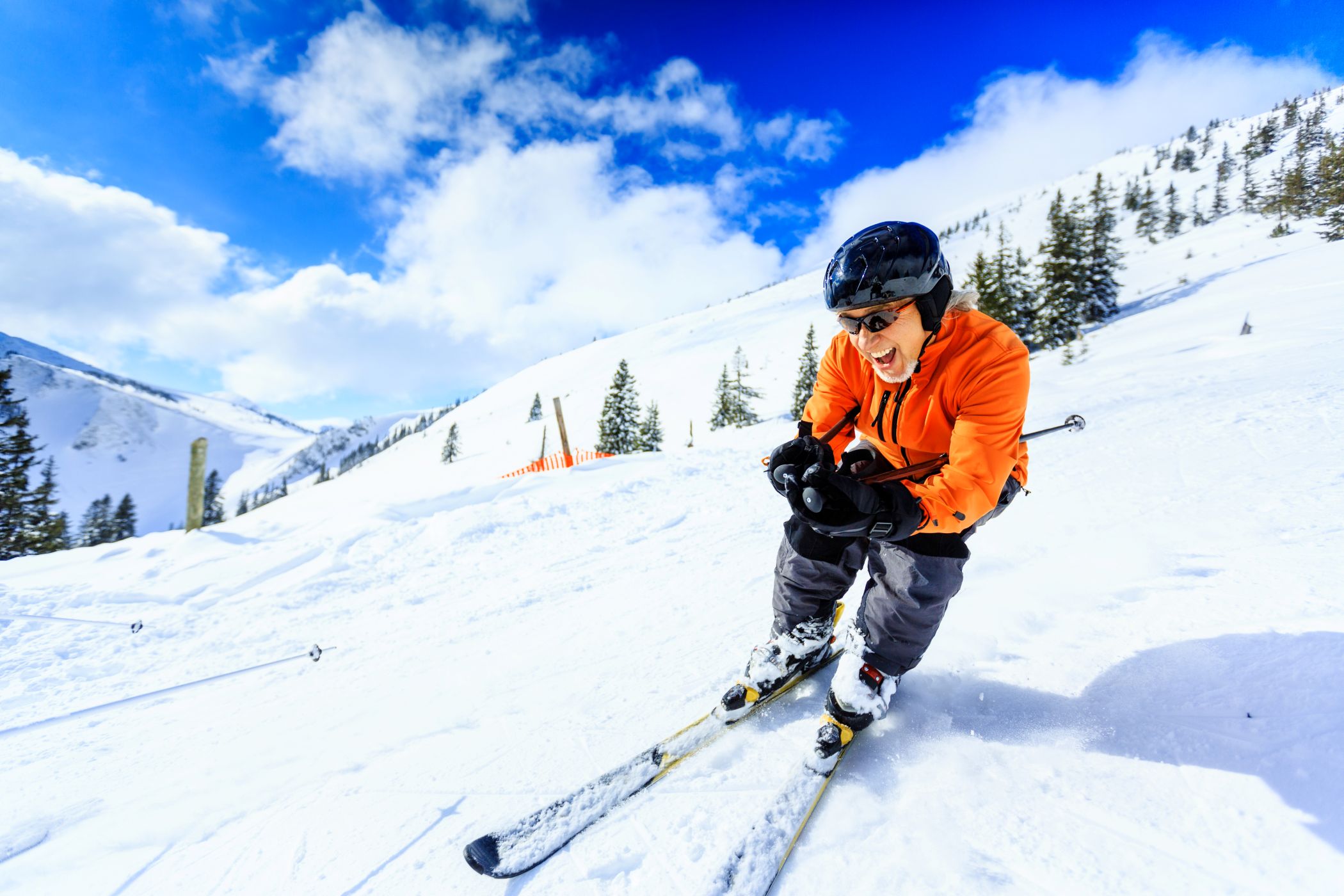
As the ski season approaches, many people are preparing for time on the slopes. While skiing offers an excellent combination of exercise, adventure and fresh mountain air, it also carries a risk of injury, particularly to the anterior cruciate ligament (ACL), one of the key stabilising ligaments in the knee.
According to Mr Raghbir Khakha, Consultant Orthopaedic Surgeon, at Cromwell Hospital, ACL injuries are among the most common skiing injuries seen during the winter months. While some accidents are unavoidable, many ACL injuries can be prevented with the right preparation, technique, and equipment.
What is an ACL injury?
The anterior cruciate ligament (ACL) is one of the main ligaments in the knee joint. It helps control movement between the thigh bone (femur) and shin bone (tibia), providing stability during twisting, turning and pivoting movements.
An ACL injury occurs when the ligament is stretched or torn, often during sudden changes in direction, awkward landings or falls. While ACL injuries can happen in many sports, skiing places unique stresses on the knee, particularly when the ski remains fixed while the body continues to rotate.
Symptoms of an ACL injury may include:
- A popping sensation in the knee
- Immediate pain
- Swelling within a few hours
- Instability or the feeling that the knee is "giving way"
- Difficulty continuing activity
Why are ACL injuries common in skiing?
Skiing combines speed, uneven terrain and fixed equipment, creating conditions where significant force can be transferred through the knee.
ACL injuries commonly occur when:
- A skier falls backwards and twists
- One ski catches the snow while the body rotates
- A skier loses balance during a turn
- Fatigue affects technique and reaction time
- Landing from a jump places excessive strain on the knee
Many skiing injuries occur later in the day or holiday week when tiredness begins to affect performance.
Build strength before your ski holiday
One of the most effective ways to prevent ACL injuries is to prepare physically before travelling.
Strong muscles help absorb force and improve control of the knee joint. Ideally, ski-specific training should begin six to eight weeks before your trip.
Focus on strengthening:
- Quadriceps
- Hamstrings
- Gluteal muscles
- Core muscles
- Calves
Exercises such as squats, lunges, step-ups and deadlifts can help build the strength needed for skiing.
Mr Khakha recommends incorporating balance and stability exercises into your training programme, as these improve the body's ability to react to changing terrain and maintain proper knee alignment.
Improve balance and coordination
Balance training is often overlooked but plays a crucial role in injury prevention.
Exercises that challenge stability help train the body's neuromuscular system, improving control during sudden movements.
Examples include:
- Single-leg balance exercises
- Bosu ball training
- Single-leg squats
- Lateral hops
- Agility drills
The better your balance, the more likely you are to recover from slips or unexpected changes in terrain without injuring your knee.
Don't skip your warm-up
Many skiers head straight to the lift without preparing their muscles and joints.
A short warm-up can significantly improve muscle activation and flexibility.
Before skiing, spend five to ten minutes performing:
- Dynamic stretches
- Bodyweight squats
- Walking lunges
- Leg swings
- Gentle jogging or brisk walking
Warm muscles respond more effectively and are less susceptible to injury.
Ensure your ski bindings are correctly adjusted
Incorrectly adjusted ski bindings are a recognised risk factor for ACL injuries.
Bindings are designed to release during certain types of falls, reducing stress on the knee. If they are set too tight, the ski may not release when needed.
Before heading onto the slopes:
- Have equipment checked by a qualified technician
- Ensure settings match your weight, height and ability
- Avoid borrowing equipment without adjustments
Proper equipment fitting is one of the simplest ways to reduce injury risk.
Ski within your ability level
Many injuries occur when skiers attempt slopes beyond their skill level.
Choose runs that match your experience and confidence. Progress gradually throughout your holiday rather than attempting advanced terrain too early.
Maintaining good technique is often more important than skiing faster or tackling more challenging slopes.
Manage fatigue
Fatigue is one of the most common factors associated with skiing injuries.
As muscles tire, control and coordination decline, increasing the risk of awkward movements and falls.
To reduce risk:
- Take regular breaks
- Stay hydrated
- Eat regularly
- Avoid skiing when exhausted
- Consider finishing early rather than pushing through fatigue
Many experienced skiers recognise that the final run of the day can often be the riskiest.
Learn how to fall safely
While nobody plans to fall, understanding how to fall can help reduce injury risk.
If you lose control:
- Avoid trying to fight the fall
- Keep limbs relaxed where possible
- Do not attempt to stand up while still sliding
- Allow skis and bindings to do their job
Trying to recover at the last second can sometimes place more force through the knee than the fall itself.
Are some skiers at greater risk?
Certain factors can increase the likelihood of ACL injury, including:
- Previous ACL injury
- Previous knee surgery
- Weakness in the leg muscles
- Poor fitness levels
- Inadequate preparation before a ski trip
- Significant fatigue
- Skiing infrequently
If you have previously experienced a knee injury, it may be worth consulting a knee specialist before returning to skiing.
What should you do if you injure your ACL while skiing?
If you experience significant knee pain, swelling or instability after a fall, stop skiing and seek medical assessment.
Early diagnosis is important to determine whether the ACL has been stretched, partially torn or completely ruptured.
Assessment may include:
- Clinical examination
- X-rays to rule out fractures
- MRI scanning to assess ligament damage
Treatment can range from physiotherapy and rehabilitation to ACL reconstruction surgery, depending on the severity of the injury and your activity goals.
When should you see a knee specialist?
You should seek specialist advice if you experience:
- A popping sensation during injury
- Significant swelling
- Recurrent instability
- Difficulty returning to sport
- Ongoing knee pain after a skiing accident
Prompt assessment can help prevent further damage to the knee and support a safe return to activity.
Expert advice from Cromwell Hospital
Skiing injuries can have a significant impact on mobility, work and sporting activities. Fortunately, many ACL injuries can be prevented through appropriate conditioning, correct equipment and sensible decision-making on the slopes.
With the right preparation before your holiday, you can reduce your risk and enjoy a safer ski season.
If you are concerned about a skiing-related knee injury or would like specialist advice before returning to sport, the orthopaedic specialists at Cromwell Hospital can help.
About the author
Mr Khakha is a consultant trauma and orthopaedic surgeon with an exclusive interest in disorders of the knee. He has particular expertise in knee joint preservation surgery including cartilage repair, ligament reconstruction and osteotomy surgery. He has been fellowship trained in unicompartmental joint replacement, total knee replacement and revision of failed joint replacement surgery.