Back to school illnesses: What’s normal and when should parents be concerned?
Learn about the most common back-to-school illnesses, when children can be cared for at home, and when to seek medical advice.
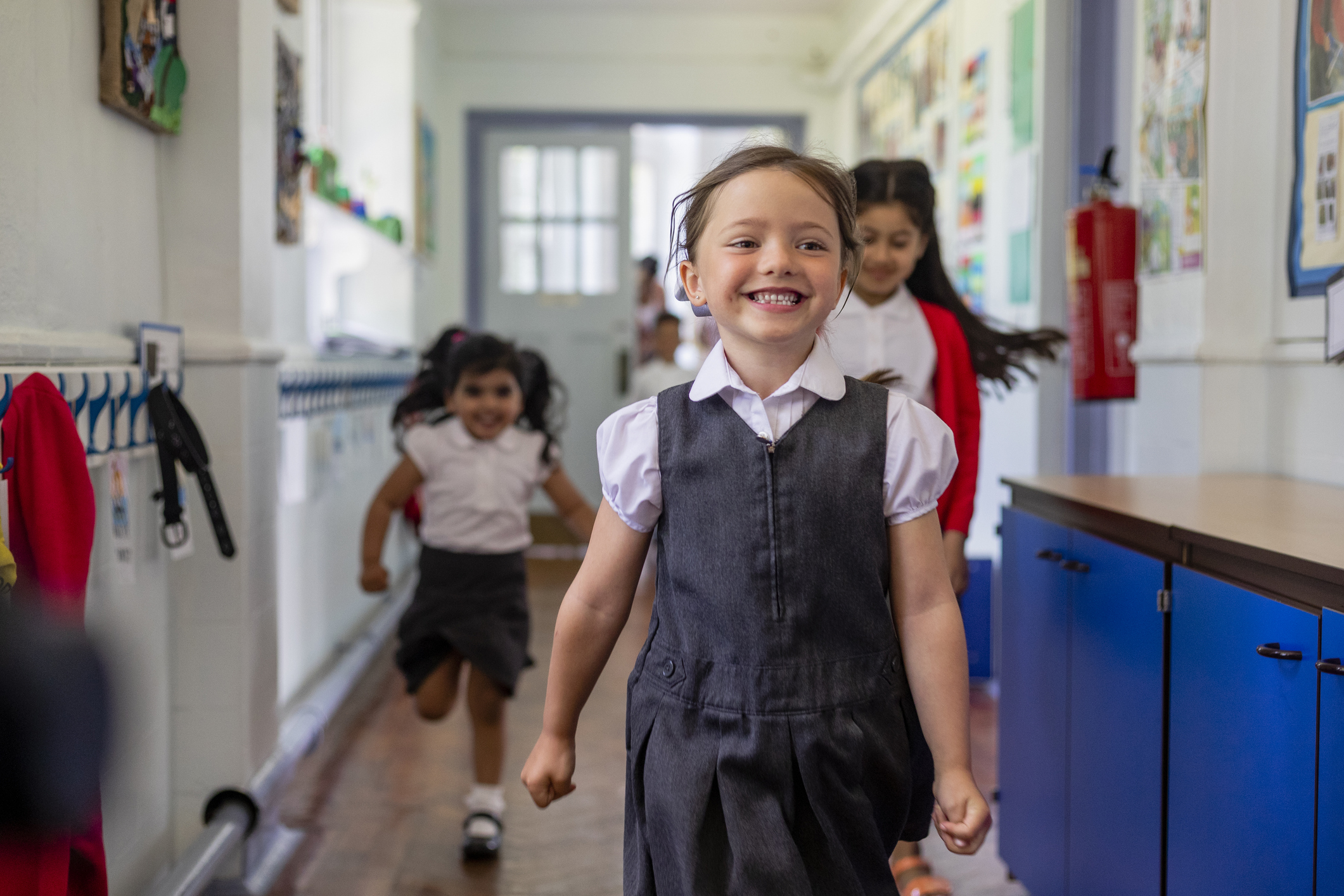
As children return to the classroom after the summer holidays, it is normal for parents to notice an increase in coughs, colds, and other infections. Dr Yiannis Ioannou, Consultant Paediatrician at Cromwell Hospital, explains the most common back-to-school illnesses, when children can be cared for at home, and when to seek medical advice.
"It's very common for children to experience more frequent illnesses when they return to school," says Dr Ioannou. "Children spend long periods in close contact with one another, and infections can spread quickly through classrooms, playgrounds, and after-school activities."
For many parents, it can feel as though their child is constantly unwell during the autumn and winter months. While this can be frustrating, in most cases it is a normal part of childhood.
Why do children get ill so often when school starts?
Children's immune systems are still developing. Every time they are exposed to a new virus, their body learns how to recognise and fight it in the future.
"Young children can experience six to eight viral infections a year, and sometimes even more," explains Dr Ioannou. "This doesn't necessarily mean there is anything wrong with their immune system. It's often simply a result of regular exposure to common childhood viruses."
The return to school creates the perfect environment for germs to spread. Shared equipment, close contact and indoor activities all increase the chances of infections passing between children.
Common back-to-school illnesses
The common cold
Colds are among the most frequent reasons children become unwell after returning to school.
Symptoms often include:
- a runny or blocked nose
- sneezing
- mild cough
- sore throat
- slight fever
- reduced appetite
"Most colds improve on their own within a week or two," says Dr Ioannou. "Rest, fluids, and simple measures to keep your child comfortable are often all that is required."
Coughs and viral respiratory infections
Many parents become concerned when a cough seems to linger.
"Following a viral infection, it's not unusual for a cough to continue for several weeks," explains Dr Ioannou. "As long as the child is otherwise well and the cough is gradually improving, this is usually not a cause for concern."
However, persistent coughing, breathing difficulties or wheezing should be assessed by a healthcare professional.
Any child who is struggling to breathe, has blue/grey/pale or mottled skin, is difficult to wake, has a seizure, or has a rash that does not fade under pressure should be taken to A&E or parents should call 999.
Sore throats
Sore throats are often caused by viruses, although bacterial infections, including strep throat, can occasionally occur.
"Most sore throats improve without antibiotics," says Dr Ioannou. "The key is monitoring symptoms and ensuring children remain well hydrated."
Stomach bugs
Gastroenteritis, often referred to as a stomach bug, is common in school-aged children.
Symptoms may include:
- vomiting
- diarrhoea
- stomach cramps
- fever
"The biggest concern with stomach bugs is dehydration," says Dr Ioannou. "Parents should encourage children to drink small amounts frequently, especially if they are losing fluids through vomiting or diarrhoea."
Hand, foot and mouth disease
This common viral illness often affects younger children.
Children may develop:
- a fever
- mouth ulcers
- a rash on the hands and feet
- reduced appetite
"Although it can look alarming, hand, foot and mouth disease is usually mild and resolves without specific treatment," says Dr Ioannou.
Chickenpox
Another illness that often appears in schools and nurseries is chickenpox, a highly contagious viral infection caused by the varicella-zoster virus.
"Although chickenpox is typically a mild illness in healthy children, it can spread very quickly through schools because children are contagious before the characteristic rash fully develops," says Dr Ioannou.
Symptoms usually begin with:
- a fever
- tiredness
- loss of appetite
- general aches and pains
A few days later, children develop the familiar itchy rash, which progresses from red spots to fluid-filled blisters before eventually crusting over.
Children are generally infectious from around two days before the rash appears until all the spots have crusted over.
"Most children recover without any complications," explains Dr Ioannou. "However, the itching can be uncomfortable, and it's important to keep children well hydrated and discourage scratching, as this can increase the risk of skin infections."
Dr Ioannou also advises avoiding ibuprofen unless specifically advised by a clinician.
Is it normal for children to keep catching infections?
One of the most common concerns parents raise is that their child appears to recover from one illness only to catch another shortly afterwards.
"In many cases, these are separate viral infections rather than one illness that never completely goes away," explains Dr Ioannou. "Children are exposed to a huge number of viruses throughout the school year."
This is particularly common in children starting nursery, reception or secondary school, where they are mixing with new groups of children and encountering unfamiliar viruses.
Signs of dehydration
Children can become dehydrated quickly when they are unwell.
Warning signs include:
- dry mouth
- reduced urination
- no tears when crying
- dizziness
- excessive sleepiness
"Young children are particularly vulnerable to dehydration, so it is important to monitor fluid intake carefully," says Dr Ioannou.
Worsening chickenpox symptoms
While chickenpox is usually mild, medical advice should be sought if:
- the child has a weakened immune system
- the rash becomes red, swollen or painful
- the child develops breathing difficulties
- symptoms appear unusually severe
- the child remains very unwell after several days
"We're particularly cautious if a child develops a bacterial skin infection on top of chickenpox, as this may require medical treatment," says Dr Ioannou.
Meningitis: know the symptoms
While meningitis is uncommon, it is one of the conditions that parents should be aware of because it requires urgent medical attention.
"Meningitis is an infection of the protective membranes surrounding the brain and spinal cord," says Dr Ioannou. "Although it is rare, recognising the symptoms early is extremely important."
Symptoms can develop quickly and may include:
- a high fever
- severe headache
- neck stiffness
- sensitivity to light
- confusion or unusual drowsiness
- vomiting
- cold hands and feet
- seizures
Some children may also develop a rash that does not fade when a glass is pressed against it. However, not everyone with meningitis will develop a rash.
"Parents should not wait for a rash to appear before seeking help," says Dr Ioannou. "If a child is unusually sleepy, difficult to wake, complaining of severe headache, or appears seriously unwell, they should receive urgent medical assessment."
For babies and younger children, symptoms can sometimes be less obvious and may include:
- refusing feeds
- aweak or high-pitched cry
- unusual irritability
- floppiness
- a bulging soft spot (fontanelle) on the head
"The key message is to trust your instincts," says Dr Ioannou. "If your child seems significantly more unwell than you would expect from a typical viral illness, seek urgent medical advice."
Severe or worsening symptoms
Parents should also seek advice if a child develops:
- severe headache
- severe neck stiffness
- unexplained rash
- persistent vomiting
- significant pain
- symptoms that continue to worsen rather than improve
"As parents, you know your child best," says Dr Ioannou. "If something doesn't seem right, it's always appropriate to seek medical advice."
NHS 111/GP advice is appropriate for a child who is worsening, has a persistent fever, is drinking poorly, or where parents remain worried.
Should children stay home from school?
Many parents struggle with knowing when to keep a child off school.
"A child who has a fever, vomiting, diarrhoea, or is feeling too unwell to participate in normal activities should stay at home," says Dr Ioannou.
This not only supports recovery but also helps reduce the spread of infection to classmates and teachers.
Following a stomach bug, schools often recommend children remain at home for at least 48 hours after their last episode of vomiting or diarrhoea.
How can parents help prevent school illnesses?
It's impossible to avoid every infection, but a few simple measures can reduce the risk.
Dr Ioannou recommends:
- encouraging regular handwashing
- teaching children to cover coughs and sneezes
- avoiding sharing water bottles
- keeping vaccinations up to date
- ensuring children get enough sleep
- maintaining a healthy, balanced diet
- encouraging regular physical activity
"Good sleep, nutrition, and exercise all play an important role in supporting the immune system," he says.
Preparing for a healthy school year
The back-to-school period inevitably brings more exposure to infections, but most childhood illnesses are mild.
"It's natural for parents to worry when their child becomes unwell," says Dr Ioannou. "Fortunately, the majority of school-related infections improve with rest, hydration, and time."
Understanding what is normal and recognising the warning signs that require medical attention can help parents feel more confident when managing childhood illnesses.
"The key message is that frequent infections are often part of healthy immune system development," he adds. "However, if your child is struggling to breathe, appears unusually unwell or you're worried about their symptoms, don't hesitate to seek medical advice."
Dr Yiannis Ioannou is a Consultant Paediatrician at Cromwell Hospital and Founder of Childhealthy, a London paediatric service supporting children from birth to adolescence.