Lung cancer
Lung cancer is the third most common cancer in the UK. More than 50,000 people are diagnosed with it each year. It is also the most common cause of cancer-related death, so finding it early is important.
What is lung cancer?
Primary lung cancer begins in the lungs. It can start in the windpipe (trachea), the main airways (bronchi), the lung tissue, or the lining around the lungs (pleura). Cancer that has spread to the lungs from another part of the body is called secondary lung cancer or lung metastases.
There are two main types of lung cancer: non-small-cell and small-cell. The treatment you receive depends on what type of cancer you have.
Non-small-cell lung cancer (NSCLC) is the most common type. Around 80 to 85 out of every 100 people with lung cancer have this type. There are different types of NSCLC, but the main two are adenocarcinoma and squamous cell carcinoma.
Small-cell lung cancer is less common. Around 10 to 15 out of every 100 people with lung cancer have this type. It can spread quickly to other parts of the body.
Smoking causes most cases of lung cancer. If you smoke heavily now, or have done in the past, you should have lung cancer screening to check your lungs. Screening can help find lung cancer early, before symptoms start or the cancer spreads. This means treatment can start sooner and is more likely to be successful.
However, lung cancer is also becoming more common in people who have never smoked. In these cases, genetic changes can help cancer grow. Targeted drug therapies can treat some of these genetic changes, providing a more personalised treatment.
At our cancer hospital in London, we provide advanced treatment for people diagnosed with lung cancer. We also offer lung cancer screening for people at higher risk.
Anyone can develop lung cancer, but you may be more at risk if:
- you are over 50 years of age
- you smoke tobacco
- you have been exposed to chemicals such as asbestos, silica, and diesel exhaust fumes
- you have been exposed to radon gas
- you live in an area with high levels of air pollution
- you have another lung disease, like COPD
- you have a family history of lung cancer
Lung cancer symptoms include:
- persistent coughing for more than three weeks
- breathlessness
- coughing up blood, or a thick mucus (phlegm) with blood in it
- an ache or pain in the chest or shoulder
- persistent chest infections
- unexplained tiredness (fatigue )
- loss of appetite and weight loss
Many people do not display symptoms in the early stages of lung cancer.
Lung cancer screening
If you are over 50, currently smoke, or have a history of heavy smoking, you should have a lung cancer screening.
Our service provides a comprehensive overview of your lung health and includes a consultation with a respiratory expert, a low-dose one-part CT scan, and your results assessed by our multidisciplinary team.
CT scan
A CT scan with contrast may help diagnose lung cancer. Before the scan, you will have an injection of a contrast dye. This helps make clearer pictures of your lungs. Sometimes, your consultant may also take a small tissue sample, called a biopsy, during the scan.
PET-CT scan
A PET-CT scan may be used after you are diagnosed with lung cancer. It helps your consultant see where active cancer cells are and whether the cancer has spread. This is called staging, and it helps your consultant plan the most suitable treatment for you.
MRI scan
Your consultant may recommend an MRI scan if they think your cancer has spread.
Endobronchial ultrasound (EBUS)
If your consultant thinks you may have lung cancer, you will need a biopsy to confirm the diagnosis. A biopsy means taking a small sample of tissue to test. Your consultant may need to take samples from your lungs and nearby lymph glands. They may recommend a test called an endobronchial ultrasound, or EBUS.
EBUS helps your consultant check changes (abnormalities) in your lungs and nearby lymph nodes. It can help confirm whether you have cancer, how big the cancer is, and whether it has spread. This helps your consultant decide which treatment may be most suitable for you.
The test uses a thin, flexible tube called a bronchoscope. It has a small ultrasound probe on the end. While you are under sedation, your consultant will pass the tube through your mouth and into your airways. If needed, they can also take a small tissue sample (biopsy) to send to the lab.
Circulating tumour DNA (ctDNA)
A circulating tumour DNA test, or liquid biopsy, is a newer type of blood test. It checks your blood for tiny pieces of DNA from lung cancer cells. It can also find specific DNA changes (abnormalities). These results can help your consultant decide whether targeted drug treatment may be suitable for you.
Draining fluid around the lung
Lung cancer can sometimes cause fluid to build up around the lung. This is called a pleural effusion. The fluid can press on the lung and make you feel breathless or cause a cough. Your consultant can drain the fluid in different ways to help ease these symptoms. They may also test the fluid for cancer cells, which can help confirm a lung cancer diagnosis.
Lung cancer treatment
Your treatment depends on the type of lung cancer you have, where it is, how big it is, whether it has spread, and your general health.
Lung cancer treatment has changed a lot in recent years. Your consultant can now recommend treatment that is more suited to your type of cancer, rather than using the same approach for everyone. A team of cancer specialists, called a multidisciplinary team, will review your case and agree the most suitable treatment plan for you.
You may be recommended any combination of the following treatments:
- Surgery – an operation to remove part or all of the lung. This may include a lobectomy, pneumonectomy, or segmentectomy (wedge resection).
- Radiotherapy – uses high-energy rays to destroy cancer cells. External beam radiotherapy is the most common type used for lung cancer. You may have it with chemotherapy. If surgery is not suitable for you, your consultant may recommend stereotactic ablative radiotherapy, also called SABR.
- Chemotherapy – uses anti-cancer medicines to destroy cancer cells.
- Immunotherapy – helps your immune system find and destroy cancer cells.
- Targeted therapy – uses medicines that target specific gene changes or weaknesses in cancer cells.
- Radiofrequency ablation – uses heat to destroy cancer cells. Your consultant may recommend this for some early stage non-small-cell lung cancers.
- Palliative care – helps manage symptoms and side effects from cancer or cancer treatment.
At our cancer hospital in London, your treatment takes place in our Integrated Cancer Campus. This brings all our cancer services together in one department. We offer modern treatments and technology, including the MRIdian MR Linac for radiotherapy.
Your care team may include oncologists, surgeons, respiratory specialists, and other healthcare professionals. They will work together to plan and provide your treatment.
Stages of lung cancer
Non-small-cell lung cancer
If you have non-small-cell lung cancer, your consultant will use the TNM staging system to work out the stage of your cancer. This helps show how big the cancer is, whether it has spread, and which treatments may be suitable for you:
- tumour – the size of the tumour
- node – the location of cancer cells in the lymph nodes
- metastasis – whether your cancer has spread
Small-cell lung cancer
Small-cell lung cancer can also use the TNM staging system. However, your consultant may also describe it in one of two simpler ways:
- Limited disease – the cancer is only in the lung, or in nearby lymph nodes. Radiotherapy may be a treatment option.
- Extensive disease – the cancer has spread to lymph nodes further away, or to other parts of the body. Radiotherapy may not be suitable.
Paying for your treatment
We welcome both self-paying and insured patients.
Self-pay patients
We offer several ways for patients to self-pay, including pay-as-you-go, flexible payment options, and self-pay packages.
Insured patients
At Cromwell Hospital, we accept private health insurance from most major providers, including AXA, Aviva, Bupa, and Vitality.
Our locations

Contact us today
Our team will be happy to answer any questions and book your appointment.
Self-pay: +44 (0)20 7244 4886
Insured: +44 (0)20 7460 5700
Private lung cancer consultants in London
Showing 1-6 of 18

Dr Crispin Hiley
Consultant Clinical Oncologist
Clinical oncology
Dr James Wilson
Consultant Clinical Oncologist
Clinical oncology, Lung, Skin
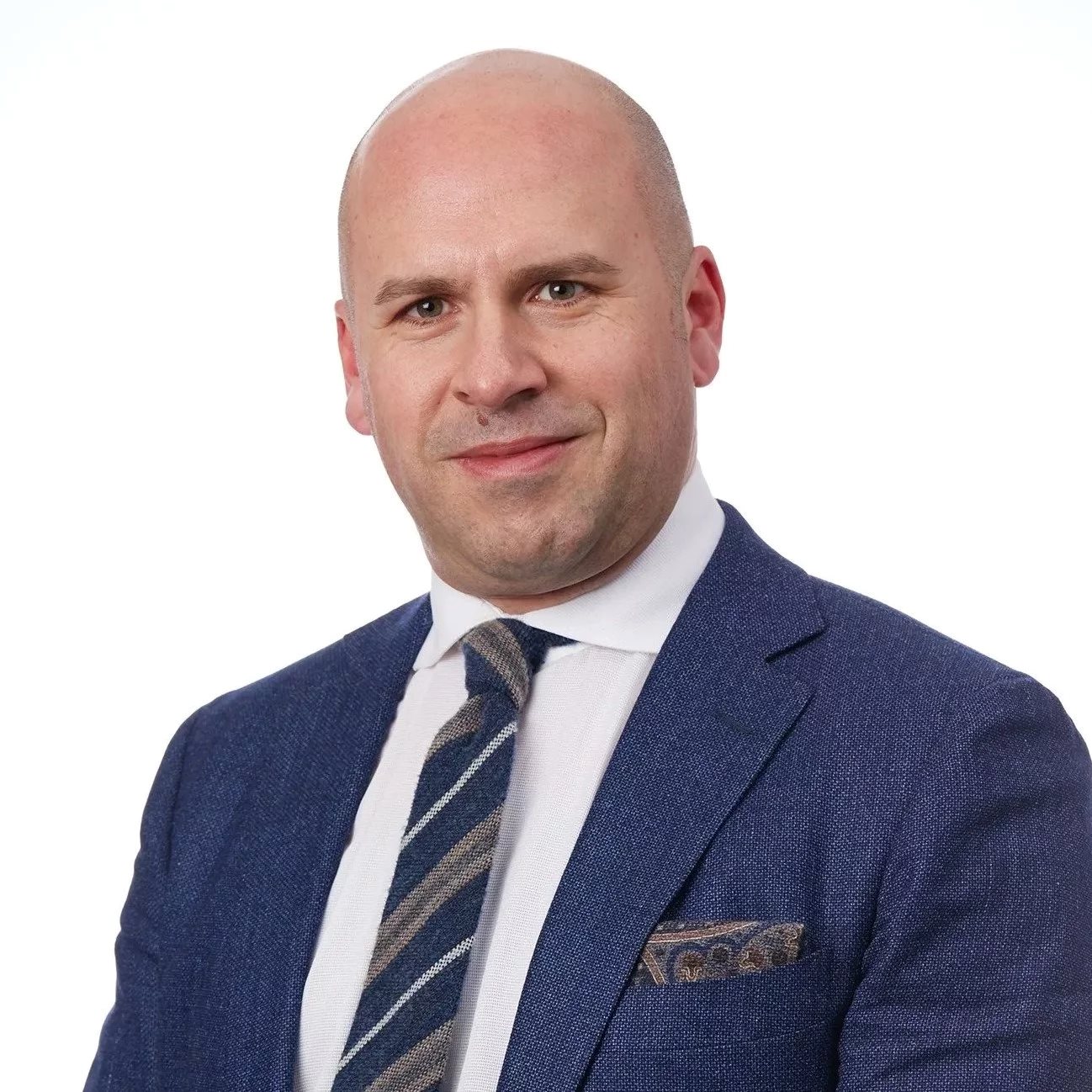
Mr Marco Scarci
Consultant Thoracic Surgeon
Cardiothoracic surgery, Thoracic surgery

Dr Brian O’Connor
Consultant in Respiratory Medicine
Respiratory medicine
Dr Amit Patel
Consultant in Respiratory Medicine
Respiratory medicine
Professor Christopher Nutting
Consultant Clinical Oncologist
Clinical oncology
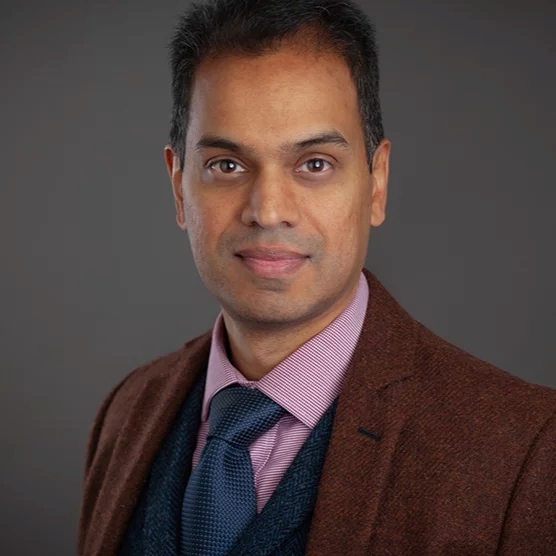
Dr Waleed Mohammed
Consultant Clinical Oncologist
Clinical oncology, Lung, Brain/CNS
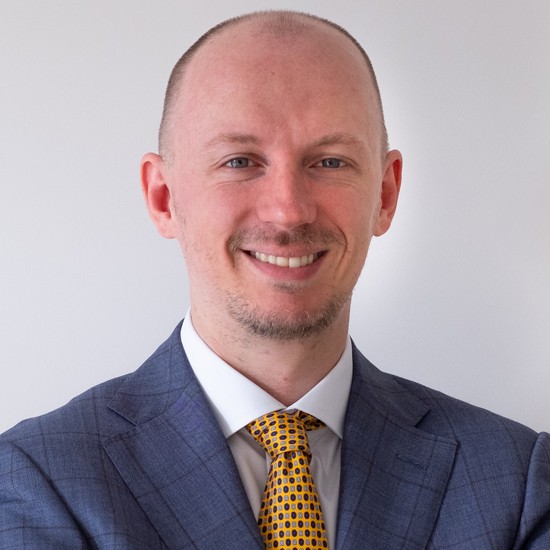
Dr Anne Mier
Consultant in Respiratory Medicine
Respiratory medicine
Dr Doraid Alrifai
Consultant Medical Oncologist
Medical oncology, Urology, Lung
Dr Rudy Sinharay
Consultant Respiratory Physician
Respiratory medicine, Asthma and COPD, breathlessness, bronchoscopy, cough, lung cancer, pleural disease
Dr Jason Chow
Consultant Medical Oncologist
Medical oncology, Hepatobiliary, Upper GI
Dr John Conibear
Consultant Clinical Oncologist
Clinical oncology, Breast, Lung
Mr Andrew Chukwuemeka
Consultant Cardiothoracic Surgeon
Cardiothoracic surgery

Miss May Al-Sahaf
Consultant Thoracic Surgeon
Cardiothoracic surgery, Thoracic
Book an appointment today
Call us now for appointment bookings, general queries, and personalised quotes.
Alternatively, you can contact us using our online form.